 High Bay LED Lighting
 Industrial Low Bay Lighting
 Industrial Strip Lights
 Vapor Tight Lighting
 LED Shop Lights
 LED Ready Fixtures
 Hazardous Area / Explosion Proof Lighting
 Loading Dock Lights
 Construction / Portable Lighting
 High Temperature LED Lights
 Industrial Ceiling Fans
 LED Work Lights
 Networked Controlled Lighting
 American Made Industrial Lighting
 Clearance
 Troffer Lights
 LED Flat Panel Lights
 Drop Ceiling Lights
 LED Ready Troffers
 Suspended LED Lights
 LED Cylinder Lights
 Stairway & Corridor Lighting
 Exit / Emergency
 Wrap Lighting Fixtures
 Gooseneck and Barn Lights
 Commercial Sign Lights
 LED Track Lighting Fixtures & Systems
 Recessed Lighting
 Wafer Lighting
 RGB LED Lights
 Hospital Bed Lights
 Refrigeration Lighting
 Grow Lights
 UV Disinfecting Lights & Air Purifier Fixtures
 American Made Commercial Lighting
 LED Flood Lights
 Outdoor Wall Lights
 LED Area Lights
 Parking Lot Lights & Poles
 Outdoor Post Top Lights
 LED Stadium Lighting
 Canopy Lights
 Security & Motion Sensor Lights
 LED Bollard Lights
 Outdoor Barn Lights
 Solar Powered LED Lighting
 Dusk to Dawn Lights
 Landscape Lighting
 Outdoor String Lights
 Coastal Wildlife Lighting
 Outdoor House Lights
 American Made Outdoor Lighting
 Architectural Linear Lights
 Architectural Grid Mount Lights
 Architectural Round Pendant Lights
 Architectural Square Linear Lights
 Architectural X-Shaped Linear Lights
 Architectural LED Wall Packs
 Ceiling Fans
 Ceiling Lights
 Chandelier Lights
 Pendant Lighting
 Island Lights
 Under Cabinet Lighting
 Vanity Lights
 Wall Sconces
 LED Tape Lights
 LED Mirrors
 LED Light Bulbs
 LED Tube Lights
 LED Corn Lights
 Vintage LED Bulbs
 Decorative LED Bulbs
 Fluorescent Light Bulbs
 Metal Halide Lamps
 LED Magnetic Strip Retrofit Kits
 LED Strip Light Retrofit Kits
 High Bay LED Retrofit Kits
 LED Troffer Retrofit Kits
 LED Wall Pack Retrofit
 LED Street Light Retrofit Kits
 Recessed Lighting LED Retrofit Kits
 WareSense Blue - Bluetooth Control System
 Ballasts & Drivers
 Emergency Ballast For LED & Fluorescent Lights
 Electrical Supplies & Mounting Kits
 Electrical Tools
 Switches & Receptacles
 Electrical Power Cords
 Sensors and Timers
 Smart Home Automation
 High Bay Occupancy Sensors
 Electric Vehicle Chargers
 Hand Dryers
 LED Shop Lights
 Office Lights
 Classroom Lights
 Church Lights
 Gym Lighting
 Factory Lights
 Hospital Lights
 Walkway Lights
 Parking Lot Lights
 Exterior Building Lights
 Sports Lighting
 Airport Lights
 Garage LED Lighting
 NSF Rated Lights
 TAA LED Lighting
 Restaurant Lights
 Corridor Lights
 Barn Lighting
 Multi-Family Lighting Solutions



Commercial Indoor Lighting Fixtures
Commercial indoor lighting covers the LED fixtures that illuminate the interiors of offices, warehouses, retail spaces, healthcare facilities, schools, and other commercial buildings. The right fixture depends on your ceiling type, mounting height, and the work happening in the space — from recessed troffers and flat panels in drop ceilings, to high bays and linear fixtures overhead, to task and accent lighting where it's needed. Explore the indoor fixture types below to find the right solution for your space.


From drop-ceiling troffers and flat panels to high bay fixtures for tall interiors, Warehouse-Lighting.com stocks commercial and industrial LED indoor lighting for every kind of space — offices, warehouses, retail, healthcare, education, and hospitality. Browse the categories above, or explore common applications and replacement bulbs below.

LED Indoor Lighting Built for Commercial Spaces
LED is the standard for commercial interiors. Indoor LED fixtures use far less energy than fluorescent or HID, last longer to cut maintenance in occupied and hard-to-reach spaces, and come in a range of color temperatures with dimmable and selectable-output options — so you can match the light to each room and task. Pair them with occupancy sensors and dimming controls to lower operating costs further.
Shop Replacement Bulbs for Indoor Light Fixtures
At Warehouse-Lighting.com, we stock replacement bulbs and lamps for indoor fixtures alongside complete fixtures. Whether you're re-lamping existing fixtures or specifying new ones, you'll find LED, fluorescent, and HID options that undergo testing and safety inspection. Browse indoor bulbs below.


Indoor Lighting by Application
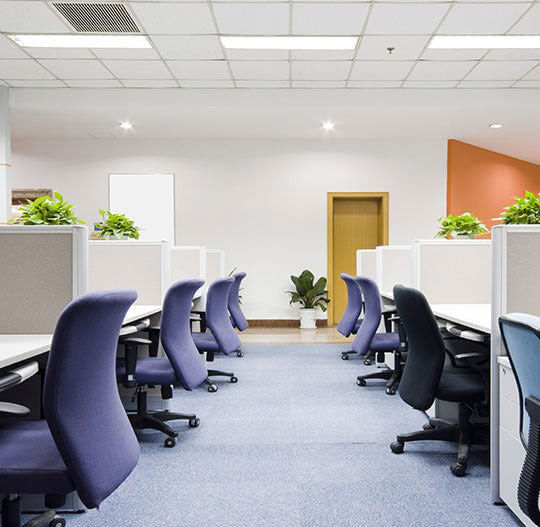
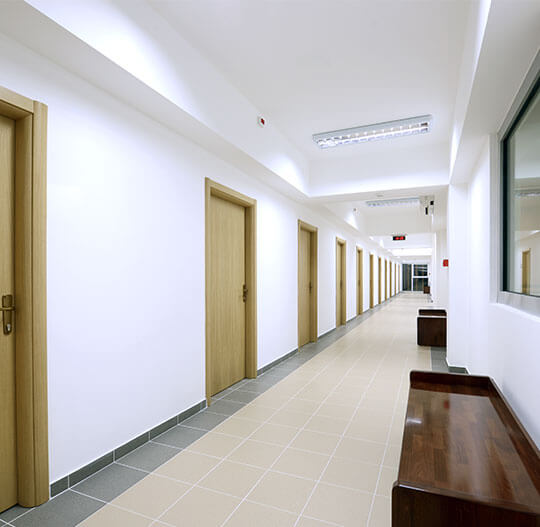
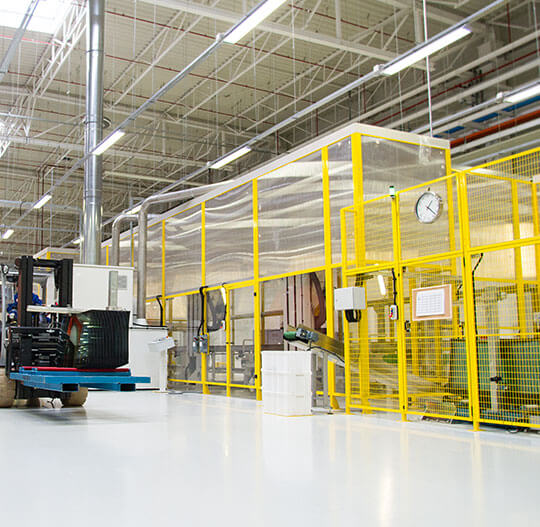
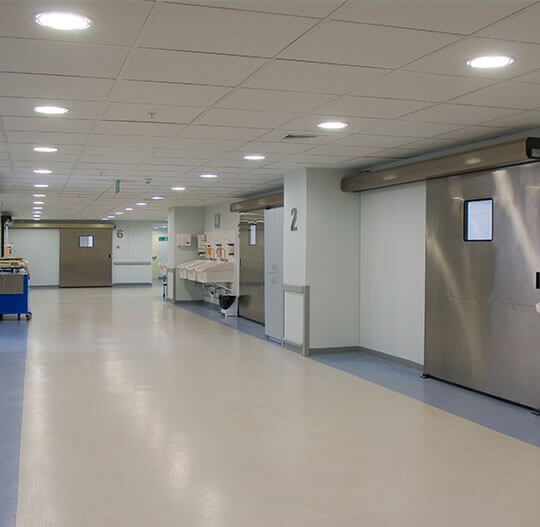
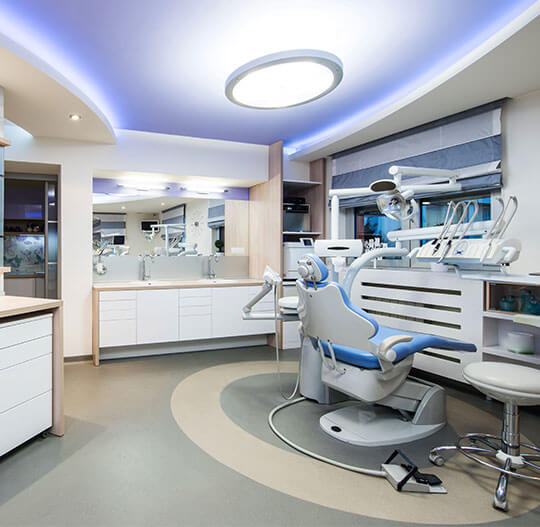
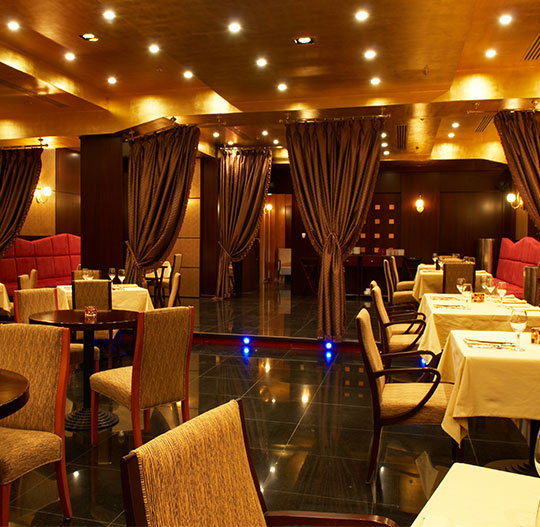
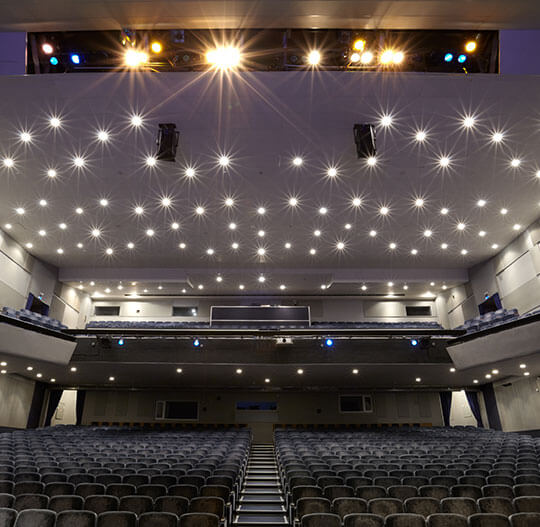
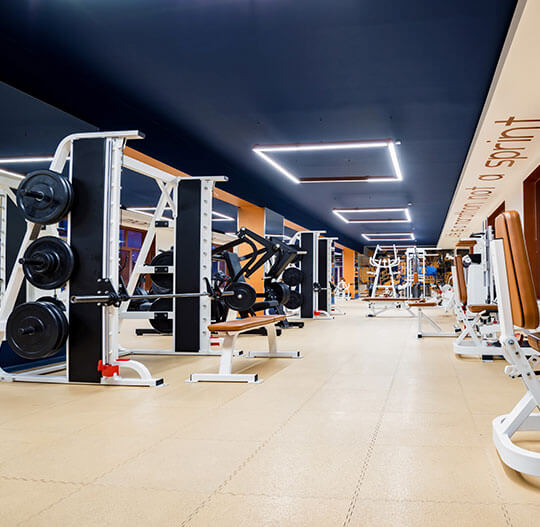
Commercial indoor lighting spans a wide range of interior spaces, each with its own requirements for light level, color quality, and controls. Some of the most common applications include:


Learn More About Our Indoor Lighting Solutions
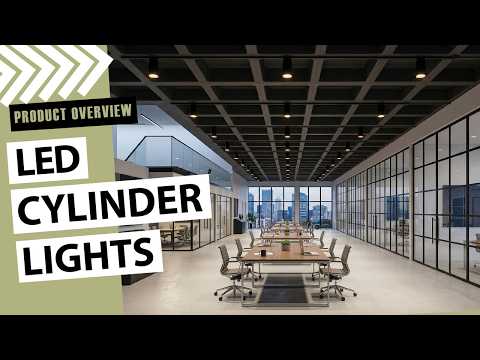
Warehouse-Lighting.com specializes in commercial and industrial indoor lighting — for offices, warehouses, retail, healthcare, education, and hospitality. We work with you one-on-one to spec the right fixtures for each space, drawing on 16+ years of experience across commercial and industrial projects.


Frequently Asked Questions About Commercial Indoor Lighting
Below are some of the most common questions about indoor lighting. For additional information, visit our Lighting FAQ page or Resources & Education Library.
What is commercial indoor lighting, and how is it different from outdoor lighting?
Commercial indoor lighting is the fixtures and lamps used to illuminate building interiors — offices, warehouses, retail, healthcare, schools, and similar spaces — supporting tasks, safety, and comfort. Outdoor lighting, by contrast, is built to withstand weather and is used for security, wayfinding, and illuminating a building's exterior and grounds. Indoor fixtures prioritize even, comfortable, low-glare light and controls, while outdoor fixtures prioritize weather ratings and optics for larger areas.
What are the best types of indoor commercial lights?
LED is the standard for commercial interiors, offering several advantages over older lighting:
- Energy Efficiency: LED fixtures use substantially less energy than incandescent, halogen, or fluorescent, converting most of their energy into light and lowering electricity costs.
- Long Lifespan: LEDs commonly last 25,000 to 50,000 hours, reducing relamping in occupied and hard-to-reach ceilings.
- Lower Heat Output: LEDs emit little heat compared with traditional bulbs, easing the load on HVAC in conditioned spaces.
- Controls-Ready: LED pairs easily with dimming, occupancy sensors, and daylight harvesting for further savings.
Within LED, the right fixture depends on the ceiling and space — flat panels and troffers for drop ceilings, recessed downlights and flush mounts for hard ceilings, suspended linear for open ceilings, and high bays for tall interiors.
How many lumens do I need for a commercial indoor space?
Indoor light levels are usually planned in foot-candles (one foot-candle equals one lumen per square foot), and the target depends on the space and the tasks performed there. General office and retail areas are commonly designed around 30 to 50 foot-candles, corridors and lobbies lower, and detailed task areas, labs, or inspection zones higher. Warehouse and industrial floors vary with ceiling height and activity. The Illuminating Engineering Society (IES) publishes recommended light levels by space and task, and the National Electrical Manufacturers Association (NEMA) offers guidance for industrial settings. For a specific space, our team can help with a free lighting layout.
What are the advantages of working with an experienced indoor lighting supplier?
- With 16+ years of experience, we provide personalized guidance to help you find quality, cost-effective lighting that matches your specific application.
- We're dedicated to customer education, offering resources like guides, videos, and blogs so you can make informed decisions.
- Our distribution network supports quick delivery of quality products, including bulk and project quantities.
Find Commercial Indoor Lighting at Warehouse-Lighting.com
We offer a strong selection and competitive pricing on indoor lighting from leading manufacturers. Our team can help you spec the right fixtures for your building and daily operations, and support you through every step of the buying process. Get expert lighting design assistance today.
Contact UsIndoor & Commercial Lighting Resources
From effective task illumination to energy efficiency, there are many factors to weigh when choosing indoor lighting.
How to choose the right indoor lighting fixtures for your business or facility, space by space.

Use dimming, occupancy sensors, and daylight harvesting to cut indoor energy use across your facility.


