 High Bay LED Lighting
 Industrial Low Bay Lighting
 Industrial Strip Lights
 Vapor Tight Lighting
 LED Shop Lights
 LED Ready Fixtures
 Hazardous Area / Explosion Proof Lighting
 Loading Dock Lights
 Construction / Portable Lighting
 High Temperature LED Lights
 Industrial Ceiling Fans
 LED Work Lights
 Networked Controlled Lighting
 American Made Industrial Lighting
 Clearance
 Troffer Lights
 LED Flat Panel Lights
 Drop Ceiling Lights
 LED Ready Troffers
 Suspended LED Lights
 LED Cylinder Lights
 Stairway & Corridor Lighting
 Hospital Bed Lights
 Wrap Lighting Fixtures
 Gooseneck and Barn Lights
 Commercial Sign Lights
 LED Track Lighting Fixtures & Systems
 Recessed Lighting
 Wafer Lighting
 RGB LED Lights
 Exit / Emergency
 Refrigeration Lighting
 Grow Lights
 UV Disinfecting Lights & Air Purifier Fixtures
 American Made Commercial Lighting
 LED Flood Lights
 Outdoor Wall Lights
 LED Area Lights
 Parking Lot Lights & Poles
 Outdoor Post Top Lights
 LED Stadium Lighting
 Canopy Lights
 Security & Motion Sensor Lights
 LED Bollard Lights
 Outdoor Barn Lights
 Solar Powered LED Lighting
 Dusk to Dawn Lights
 Landscape Lighting
 Outdoor String Lights
 Coastal Wildlife Lighting
 Outdoor House Lights
 American Made Outdoor Lighting
 Architectural Linear Lights
 Architectural Grid Mount Lights
 Architectural Round Pendant Lights
 Architectural Square Linear Lights
 Architectural X-Shaped Linear Lights
 Architectural LED Wall Packs
 Ceiling Fans
 Ceiling Lights
 Chandelier Lights
 Pendant Lighting
 Island Lights
 Under Cabinet Lighting
 Vanity Lights
 Wall Sconces
 LED Tape Lights
 LED Mirrors
 LED Light Bulbs
 LED Tube Lights
 LED Corn Lights
 Vintage LED Bulbs
 Decorative LED Bulbs
 Fluorescent Light Bulbs
 Metal Halide Lamps
 LED Magnetic Strip Retrofit Kits
 LED Strip Light Retrofit Kits
 High Bay LED Retrofit Kits
 LED Troffer Retrofit Kits
 LED Wall Pack Retrofit
 LED Street Light Retrofit Kits
 Recessed Lighting LED Retrofit Kits
 WareSense Blue - Bluetooth Control System
 Ballasts & Drivers
 Emergency Ballast For LED & Fluorescent Lights
 Electrical Supplies & Mounting Kits
 Electrical Tools
 Switches & Receptacles
 Electrical Power Cords
 Sensors and Timers
 Smart Home Automation
 High Bay Occupancy Sensors
 Electric Vehicle Chargers
 Hand Dryers
 LED Shop Lights
 Garage LED Lighting
 Gym Lighting
 Factory Lights
 Restaurant Lights
 Office Lights
 Classroom Lights
 Church Lights
 Warehouse Lights
 Hospital Lights
 Walkway Lights
 Parking Lot Lights
 Exterior Building Lights
 Sports Lighting
 Airport Lights
 NSF Rated Lights
 TAA LED Lighting
 Corridor Lights
 Barn Lighting
 Multi-Family Lighting Solutions



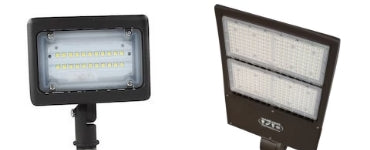
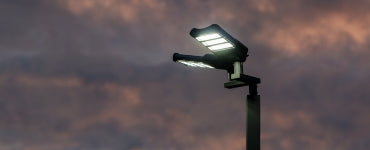


Featured Products: Best Outdoor Flood Lights


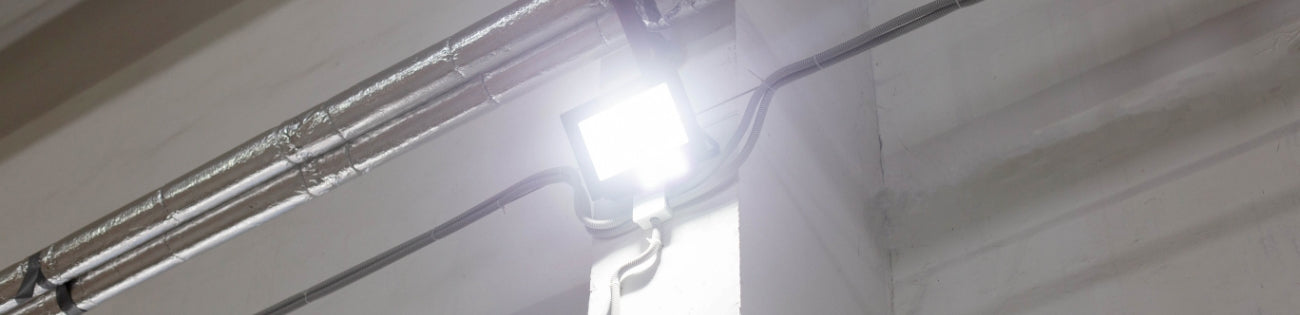
Factors to Consider in Choosing the Best Outdoor Flood Lights
Choosing the best outdoor flood lights means looking at more than just brightness. It's about finding lights that work well for your space and are durable and efficient.
Bulb Technology
Modern flood lights typically use LED technology, renowned for its energy efficiency and long lifespan. When searching for the best LED flood lights, consider their luminous efficacy (lumens per watt) and color temperature, which affects the light's appearance – warm yellow or cool blue. LEDs are also known for their instant-on capability and dimming options, making them a versatile choice for outdoor lighting.
Application
The intended application significantly influences your choice. For instance, the best landscape flood lights may differ from those needed for security purposes. For landscaping, aesthetic appeal and beam spread are vital, while security lights demand broader coverage and higher brightness. It's essential to choose a flood light that suits your specific needs, whether it's for illuminating a garden, a driveway, or providing security.
Form Factor
The physical design of the flood light is another crucial factor. Consider the size, shape and mounting options. The best outdoor flood lights should complement your space's aesthetics while being practical. Compact designs are preferable for discreet installations, whereas larger models might be ideal for extensive coverage areas.
Angle
The beam angle of a flood light affects how dispersed the light is. A narrower beam angle can focus light on a specific area, making it ideal for highlighting landscape features or architectural details. A wider angle provides broader coverage, suitable for general area lighting or security purposes.
Weather Resistance
Look for flood lights rated for outdoor use, with high IP (Ingress Protection) ratings indicating resistance to dust and water. The best outdoor LED flood lights should be durable and capable of operating in different environmental conditions, from heavy rain to extreme temperatures.
Which Are Better: LED Flood Lights or Halogen Flood Lights?
The first consideration in choosing the best outdoor flood light for your application is the bulb type or technology. Most people agree the best outdoor flood lights use LED technology. Let’s compare LED with halogen flood lights, the second most common, to see why.
- Energy Efficiency: LED lights are much more energy-efficient than halogen bulbs. They consume less electricity to produce the same amount of light, which can lead to significant savings on energy bills over time.
- Lifespan: LEDs have a longer lifespan compared to halogen lights. While a typical LED can last between 25,000 to 50,000 hours, halogen bulbs usually last around 1,000 to 5,000 hours. This means LEDs require less frequent replacements, saving money and effort in the long run.
- Brightness and Light Quality: LED flood lights provide bright, high-quality light. The brightness of LED lights is measured in lumens, not watts, which is a more accurate measure of how much light is emitted. LEDs also offer a range of color temperatures, allowing for flexibility in choosing the desired lighting ambiance.
- Heat Emission: Halogen lights emit more heat than LEDs. This can be a safety hazard and less energy-efficient, as a significant amount of the energy is lost as heat rather than light.
- Environmental Impact: LEDs are more environmentally friendly. They use less energy and have a longer lifespan, resulting in lower carbon emissions and less waste from bulb replacements.
- Cost: Initially, LED lights may have a higher upfront cost than halogen bulbs. However, the long-term savings from reduced energy consumption and fewer replacements offset the initial investment and make LEDs the best flood light choice.
- Durability: LED lights are generally more durable and less prone to damage due to their solid-state construction. This makes them ideal for outdoor settings where they may be exposed to rough weather or physical impacts.
- Color Rendering Index (CRI): The CRI of a light source measures its ability to reveal the colors of various objects faithfully. LEDs generally have a higher CRI compared to halogens, meaning they can better display the true colors of the illuminated area.
Watts vs Lumens
When transitioning from halogen to LED, it's helpful to understand the difference in how brightness is measured. LED brightness is gauged in lumens, whereas halogen bulb brightness is distinguished in terms of watts. Here's a helpful comparison to guide you in choosing the best LED flood light that matches the brightness level you're used to with halogen lights:
- 100 watts (halogen) = 2,000 lumens (LED)
- 250 watts (halogen) = 5,000 lumens (LED)
- 500 watts (halogen) = 10,000 lumens (LED)
- 1,000 watts (halogen) = 20,000 lumens (LED)
For superior rendering, color temperature and lumen output, the best outdoor flood lights are LEDs.
Selecting the Best LED Flood Lighting
Choosing the best outdoor LED flood lights depends largely on the space you want to illuminate and how it's used. For commercial parking lots, shoebox area lights are generally the best option, offering efficient and comprehensive illumination. Stadiums require specialized flood lights capable of covering large areas with consistent brightness.
For enhancing outdoor landscapes, the best landscape flood lights are tailored to accentuate natural and architectural elements effectively. Additionally, colored flood lights are available for those seeking to add a distinctive touch to their outdoor settings. This section highlights various types to assist you in selecting the best outdoor flood lights for your needs.
LED Flood Area Lights
The best outdoor LED flood lights distinguish themselves in commercial settings for their superior energy efficiency, long-lasting performance and low maintenance needs. These outdoor flood lights, known for their bright and even coverage, are ideal for large spaces like parking lots, exterior building areas and sports fields. Their advanced features like adjustable beam angles and dimming capabilities make them a versatile and cost-effective choice for effective security lighting and bright lighting needs.
LED Shoebox Light Fixtures
LED shoebox light fixtures are specifically designed for large outdoor spaces like parking lots, offering high lumen output for brighter lighting while using less power than bulbs with older technology. Shoebox LEDs are among the best LED flood lights for areas needing wide, uniform light. Cobra head lights, aptly named for their unique shape, are designed for streets and highways, providing targeted and efficient illumination. Both shoebox and cobra head fixtures are popular choices for outdoor area lighting, valued for their reliability and effectiveness in commercial outdoor settings.
LED Stadium Flood Lights
When you want the best, outdoor LED flood lights are essential for ensuring visibility and safety in large outdoor spaces. These lights are not only durable but also perform consistently under varying temperatures, making them the best LED flood lights for:
- Football Stadiums
- Ballparks
- Cricket and Soccer Fields
- Tennis Courts
- Hockey Rinks
- Racetracks
- And More!
LED stadium flood lights provide high-quality lighting that enhances the experience for both players and spectators, making them a must for any sporting event.
Best Landscape Flood Lights
The best landscape flood lights for highlighting features like gardens or architectural elements are bullet flood lights. These compact yet powerful LED flood spot lights can be mounted on various surfaces and are well-suited for many types of outdoor settings. These durable light fixtures are also wet-listed, ensuring their suitability for outdoor use. However, LED flood lights are an ideal choice for adding vibrant color to both outdoor and indoor areas, adding a splash of color in places like auditoriums, theaters and other entertainment venues. Don't forget outdoor sign lights to help visitors find your location in the dark.
Colored flood lights are energy-efficient, have a long lifespan and are available in various hues. They are available in a variety of colors, but most often are seen in blue, red, green or amber. Mini flood lights are also available to provide colorful accents.
Additional Features of the Best LED Flood Lights
Now that you know why the best flood lights are LED, you should also think about the features that will help your lighting system operate more efficiently and safely. Here are a few options that are available with the best LED flood lights:
- Integrated LED Fixtures: For superior rendering, color temperature and lumen output, the best landscape flood lights are LEDs. Unlike traditional light fixtures that require separate, replaceable bulbs, integrated LED fixtures have the LEDs as a permanent part of the fixture itself. That's why they are the best outdoor flood lights for longevity, energy efficiency and consistent light quality. This allows for more efficient heat management and a sleeker design and eliminates the need to replace bulbs, as the LED typically lasts for the life of the fixture.
- Motion Sensors: To enhance safety and save you money, many of the best outdoor flood lights include motion sensors. Motion-activated lighting can be adjusted based on the specific location of your light fixture. This feature allows for the illumination range to be customized up to 45 feet, and includes the option for quick time delays, typically around 30 seconds, to suit varying lighting needs.
- Dimmers: Bright lighting is one of the best flood light features, but sometimes you want to reduce the output. Dimmers offer you the flexibility to tailor the intensity of your LED flood lighting to your specific requirements, ensuring that you can achieve the perfect level of illumination for any situation.
- Photocells: Outdoor lights with a photocell are the best outdoor LED flood lights for efficient and automated lighting control. They excel in areas where energy conservation and convenience are paramount, making them ideal for applications such as security lighting, landscape illumination and commercial spaces. These lights adapt seamlessly to changing light conditions, ensuring your space is well-lit when needed and conserving energy when natural light is sufficient.
- Weather Resistance: The best outdoor landscape lights have to withstand various environmental conditions. Our exterior lights are IP rated, ensuring their durability and resistance to elements like dust and water. This rating ensures that these lights provide safe, reliable performance in outdoor settings.
FAQs About Choosing the Best Landscape Flood Lights
Here are some common questions to help you decide if LED outdoor lighting is right for you.
Are Outdoor LED Flood Lights Suitable For Residential Use?
Yes, outdoor LED flood lights are a versatile choice suitable for both commercial and residential applications. They are energy-efficient, provide security and can enhance the aesthetics of your outdoor spaces, making them the best flood lights for homeowners and businesses alike.
Are Landscape Flood Lights Different from Regular Flood Lights?
Yes, the best landscape flood lights are specifically designed to accentuate outdoor landscaping features. They are generally smaller, less intrusive and can be angled to highlight specific areas like trees, shrubs or architectural details.
How Long Do Landscape Flood Lights Last?
The lifespan of outdoor light fixtures varies depending on their type, quality and usage. Generally, the best landscape flood lights last anywhere from 25,000 to 50,000 hours. This is significantly longer than traditional halogen or incandescent bulbs. To maximize the lifespan of your landscape flood lights, follow the recommended guidelines for use and installation.
What Do the Best Flood Lights Offer?
Selecting the best LED flood light involves focusing on key features such as high lumens for optimal brightness, energy efficiency and weather resistance. The best outdoor flood lights often come equipped with added benefits like motion sensors, adjustable settings and a hassle-free installation process.
Optimize Your Lighting With the Best Outdoor Flood Lights From Warehouse Lighting
Selecting the right exterior and security lighting is key to enhancing your space with both function and style. That's why we offer only the best outdoor LED flood lights for all your illumination needs. Featuring energy efficiency, durability and exceptional brightness, Warehouse-Lighting.com outdoor flood lights are ideal for everything from illuminating stadium lighting and parking lots to enhancing backyard landscapes. We provide high-quality lighting fixtures that are competitively priced – if you need help staying within your budget, one of our expert lighting consultants will work with you to find the best LED flood light solution for your unique needs. Shop Warehouse-Lighting.com today!
Related Articles - Best Outdoor LED Flood Lights
Learn more about the best LED flood lights and more from Warehouse-Lighting.com!

Unless you're a building manager or contractor, you probably haven't given much thought to LED flood lights. From roadways to footpaths, they light...

Industrial outdoor wall lighting provides security, safety and aesthetic beauty to office buildings, factories and other commercial properties...

At one time or another, contractors, building managers and owners have had to address the question of whether the best outdoor lighting solution...


